
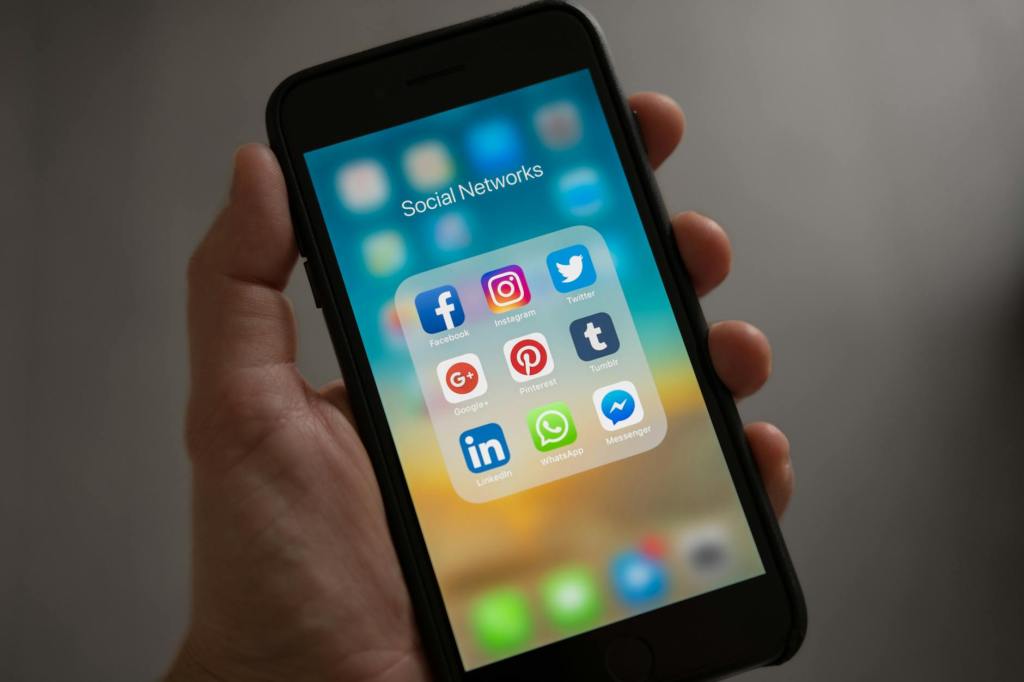
In the digital age, social media has become a powerful tool for communication, entertainment, and activism. However, one alarming trend is the normalization of violence, which is subtly and sometimes overtly woven into online content. This normalization can have significant negative consequences for society, influencing how individuals perceive, respond to, and tolerate violent behavior.
How Violence Becomes Normalized Online
Viral videos of physical altercations, “prank” content that involves emotional or physical harm, and memes glorifying aggressive behavior often gain massive traction. The algorithms that prioritize engagement over ethics exacerbate the problem, promoting shocking content for clicks and shares. Over time, this constant exposure can desensitize viewers, making violence appear less serious or even entertaining.
The Psychological and Social Impacts
1. Desensitization to Violence: Frequent exposure to violent content reduces emotional sensitivity, making individuals less likely to empathize with victims of real-world violence.
2. Increased Aggression: Studies show that consuming violent media can increase aggressive thoughts and behaviors, especially among younger audiences.
3. Erosion of Accountability: Social media trends often celebrate perpetrators of violence, framing them as bold or humorous. This can diminish the perception of violence as a serious societal issue.
Broader Societal Consequences
• Glorification of Harm: When violent acts are celebrated or trivialized, it perpetuates a culture that values shock over safety, leading to more individuals imitating such behavior for social validation.
• Undermining Justice: Viral violent acts can sometimes complicate justice efforts, as victims may face public ridicule or be blamed for the violence they endured.
• Normalization in Youth: Teenagers and children who consume this content may grow up believing violence is an acceptable means of problem-solving or self-expression.
What Can Be Done?
1. Platform Accountability: Social media companies must enforce stricter content moderation policies to limit the spread of violent trends.
2. Educational Initiatives: Teaching digital literacy and emotional intelligence in schools can help younger generations critically evaluate harmful online content.
3. Promoting Positive Trends: Influencers and creators should prioritize content that fosters empathy, kindness, and constructive dialogue.
Conclusion
While social media offers immense opportunities, the normalization of violence poses a significant societal threat. By addressing this trend through education, awareness, and responsible content creation, we can work towards a digital landscape that uplifts rather than degrades humanity. The question remains: will we hold ourselves and the platforms accountable before the damage becomes irreversible?
 Bachelor of Nothing
Leave a comment