
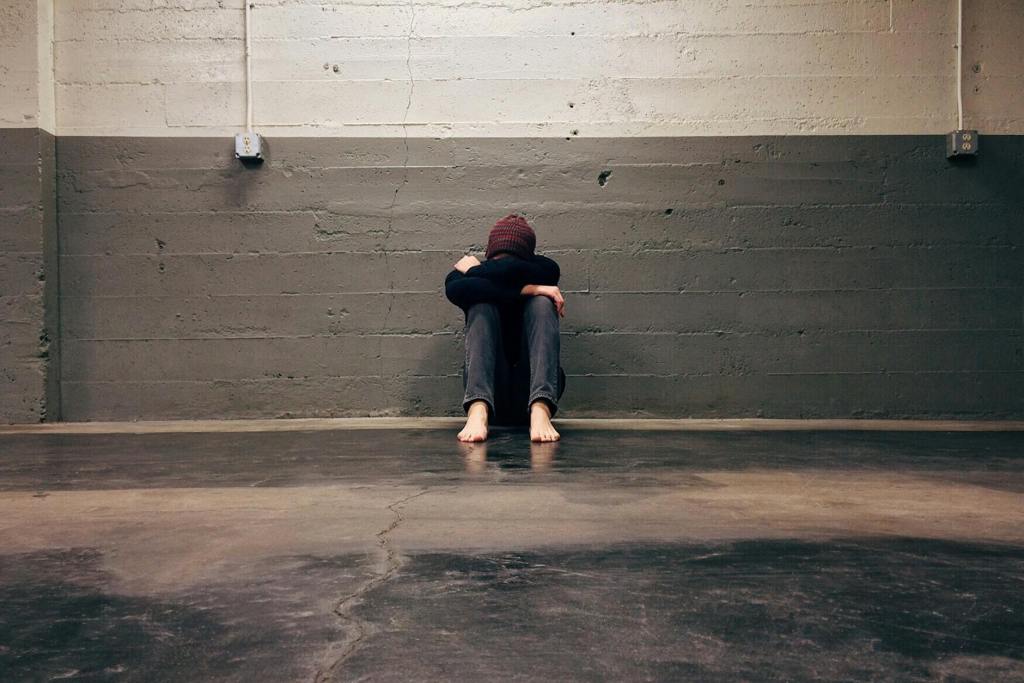
Anxiety can be a challenging and overwhelming experience, affecting millions of people worldwide. While it’s a natural response to stress, excessive or persistent anxiety can interfere with daily life. Fortunately, there are several effective methods for managing anxiety and reducing its impact. In this blog post, we’ll explore some of these methods and how they can help you find calm amidst the storm of anxiety.
Understanding Anxiety
Before diving into coping strategies, it’s essential to understand what anxiety is and how it manifests. Anxiety is a normal reaction to stress or danger, often characterized by feelings of fear, worry, and nervousness. However, when these feelings become excessive or disproportionate to the situation, they can indicate something else such as an anxiety disorder.
Common symptoms of anxiety disorders include:
- Excessive worrying
- Restlessness or irritability
- Difficulty concentrating
- Muscle tension
- Sleep disturbances
- Panic attacks
- Negative thoughts
Effective Methods for Dealing with Anxiety
- Deep Breathing Exercises: Deep breathing can help calm the body’s stress response and reduce anxiety. Try diaphragmatic breathing, where you breathe in deeply through your nose, filling your lungs, and then exhale slowly through your mouth. Be sure not to hyperventilate during this process.
- Mindfulness Meditation: Mindfulness meditation involves focusing on the present moment without judgment. This practice can help reduce anxiety by promoting relaxation and increasing awareness of your thoughts and feelings.
- Progressive Muscle Relaxation (PMR): PMR involves tensing and then relaxing different muscle groups in the body, promoting physical relaxation and reducing tension.
- Exercise Regularly: Physical activity can help reduce anxiety by releasing endorphins, the body’s natural mood elevators. Aim for at least 30 minutes of moderate exercise most days of the week.
- Limit Intake of Substances: Substances such as caffeine, alcohol and nicotine can increase anxiety levels. Limiting or avoiding these substances can help reduce anxiety symptoms.
- Get Adequate Sleep: Lack of sleep can exacerbate anxiety symptoms. Aim for 7-9 hours of quality sleep each night to help manage anxiety.
- Eat a Healthy Diet: A balanced diet rich in fruits, vegetables, whole grains, and lean proteins can help support overall mental health and reduce anxiety. It will also help you feel better physically, which can promote a healthy mind.
- Practice Yoga or Tai Chi: These mind-body practices combine physical postures, breathing exercises, and meditation, promoting relaxation and reducing anxiety.
- Set Realistic Goals: Setting achievable goals can help reduce feelings of overwhelm and improve your sense of control, which can reduce anxiety. Use the SMART format when planning your goals. SMART goals are:
- Specific
- Measurable
- Achievable
- Relevant
- Time-Bound
- Seek Support: Talking to a therapist or counselor can provide you with coping strategies and support tailored to your specific needs.
Conclusion
Dealing with anxiety can be challenging, but it’s important to remember that you’re not alone and that there are effective strategies available to help you manage your symptoms. By incorporating these methods into your daily routine, you can reduce anxiety and improve your overall quality of life.
 Bachelor of Nothing
Leave a comment