
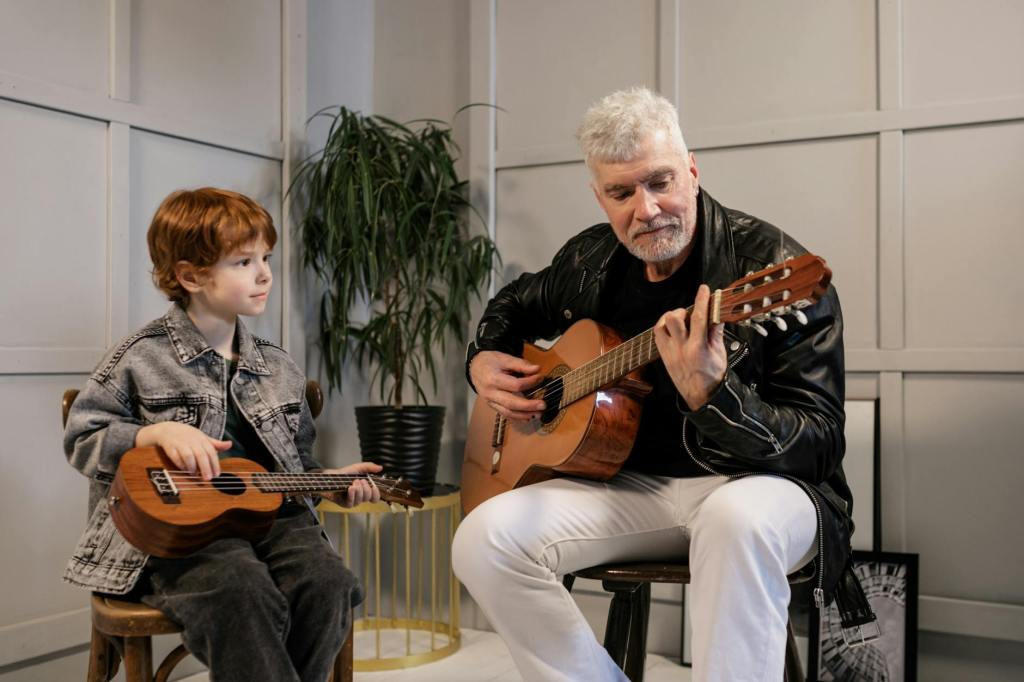
In the construct of our society, there exists a phenomenon that binds generations together – the transfer of knowledge from old to young. This exchange is not just a passing of information; it’s a bridge that carries wisdom, experience, and the essence of our cultural heritage. In a world that’s constantly changing, this transfer of knowledge is more imperative than ever before. Let’s explore why this exchange is crucial and how it shapes our collective future.
Preserving Cultural Heritage
One of the most significant aspects of transferring knowledge from older citizens to younger generations is the preservation of cultural heritage. Older individuals often hold deep-rooted knowledge about traditions, languages, crafts, and histories that may otherwise be lost over time. By passing this knowledge to younger generations, we ensure that our cultural identity remains vibrant and alive.
Learning from History
“Those who cannot remember the past are condemned to repeat it,” said philosopher George Santayana. The knowledge and experiences of older citizens serve as a repository of history. By sharing their stories and lessons learned, they provide valuable insights that can guide younger generations in making informed decisions and avoiding past mistakes.
Fostering Intergenerational Connections
The transfer of knowledge between generations fosters meaningful intergenerational connections. It creates a sense of belonging and continuity, bridging the gap between different age groups. This exchange is not only beneficial for individuals but also strengthens the social fabric of communities.
Passing on Practical Skills
Many practical skills and trades are passed down through generations. From woodworking to cooking to gardening, older citizens often possess valuable skills that are learned through years of experience. By transferring these skills to younger generations, we ensure that these traditions and practices continue to thrive.
Nurturing Emotional Intelligence
Older citizens can have a wealth of emotional intelligence gained through a lifetime of experiences. By sharing their stories and insights, they help younger generations develop empathy, resilience, and a deeper understanding of human emotions. This emotional intelligence is crucial for personal growth and building strong relationships.
Addressing Technological Gaps
In today’s rapidly evolving technological landscape, there is often a digital divide between generations. Older citizens may struggle to keep up with new technologies, while younger generations are more adept at using them. By transferring knowledge, older citizens can bridge this gap, ensuring that everyone has the skills needed to thrive in a digital world.
Ensuring Continuity in Professions
In many professions, especially those that require specialized knowledge or skills, the transfer of knowledge from older workers to younger ones is crucial for continuity. This is particularly true in fields such as medicine, engineering, and craftsmanship, where years of experience are invaluable and pose potential problems for the future if skills are not passed down.
Conclusion
The transfer of knowledge from older citizens to younger generations is a cornerstone of our society. It preserves our cultural heritage, provides valuable insights from history, fosters intergenerational connections, passes on practical skills, nurtures emotional intelligence, addresses technological gaps, and ensures continuity in professions. As we navigate the complexities of an ever-changing world, this transfer of knowledge remains a timeless and invaluable tradition. It is a gift from one generation to the next, shaping our collective future and enriching our lives in ways we may not yet fully understand.
 Bachelor of Nothing
Leave a comment