
In our modern society, characterized by its rapid pace and technological advancements, the value of human life seems to be diminishing. We are increasingly disconnected from the natural world, consumed by the demands and distractions of our busy lives. This disconnection has profound consequences, as we fail to appreciate the sanctity and beauty of life in all its forms.
The most concerning aspect of this situation is evident in our treatment of other human beings. We exploit and mistreat others without regard for the consequences of our actions. This disregard for the value of human life is particularly evident in instances of violence and cruelty, where individuals are harmed or even killed for trivial reasons or for the sake of entertainment.
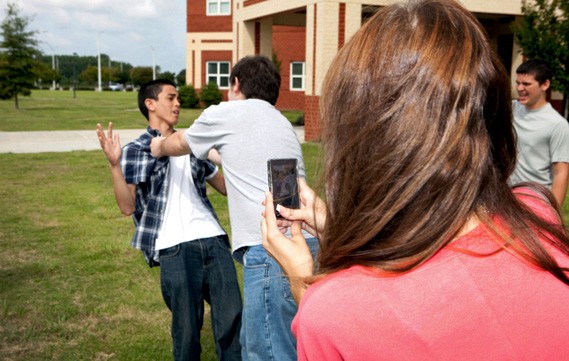
A troubling example of this is the phenomenon of bystander apathy, where individuals witness acts of violence or harm but fail to intervene or seek help. This lack of empathy and concern for others reflects a broader societal trend towards desensitization and detachment from the suffering of fellow human beings.
Moreover, the rise of social media and digital technology has contributed to a culture of sensationalism and voyeurism, where the suffering of others is often exploited for likes, shares, and views. This trend can desensitize people to the value of human life, making it seem cheap or disposable.
Our disconnect from the natural world also plays a role in the devaluation of human life. As we become more urbanized and reliant on technology, we lose touch with the cycles of life and death that are part of the natural order. This can lead to a sense of detachment from the value of life, as we are less connected to the rhythms of the natural world.
Furthermore, our consumer-driven culture places a high value on material wealth and success, often at the expense of human relationships and well-being. This focus on material possessions can lead to a devaluation of human life, as people are judged based on their wealth and status rather than their intrinsic worth as human beings.
In order to reverse this trend and restore the value of human life, we must reconnect with the natural world and cultivate empathy and compassion for others. We must also challenge the culture of consumerism and materialism that prioritizes wealth and status over human relationships and well-being.
Ultimately, the value of human life is not determined by external factors such as wealth or status, but by our intrinsic worth as individuals. It is only by recognizing and respecting the value of every human life that we can hope to build a more compassionate and equitable society for all.
 Bachelor of Nothing
Leave a comment