
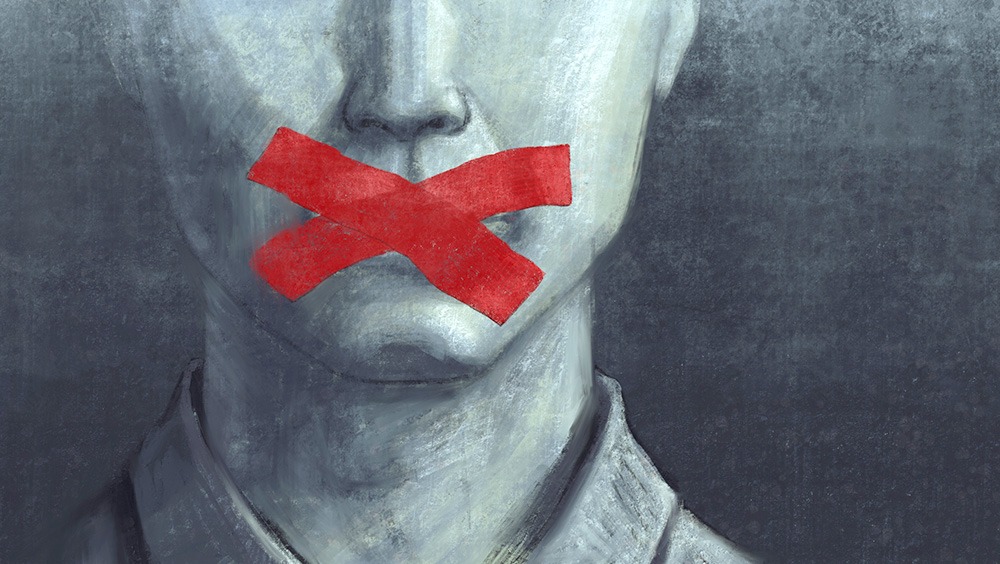
Introduction
Freedom of speech is a cornerstone of democracy, allowing individuals to express their opinions and ideas without fear of censorship or retribution. In the United States, the First Amendment of the Constitution guarantees this fundamental right, stating that “Congress shall make no law… abridging the freedom of speech, or of the press.” However, despite these protections, censorship remains a persistent threat, with potentially dire consequences for democracy and individual liberties.
The Historical Context of Censorship in the United States
Censorship has a long history in the United States, dating back to colonial times. Early efforts to suppress dissent and control information included the Sedition Act of 1798, which criminalized criticism of the government, and the Espionage Act of 1917, which targeted anti-war activists and journalists. Throughout the 20th century, censorship efforts continued, often in the name of national security or moral values.
The Red Scare of the 1950s, for example, led to the blacklisting of suspected communists in Hollywood and other industries, while the Vietnam War era saw the suppression of anti-war protests and the surveillance of political dissidents. More recently, the post-9/11 era has been marked by increased government surveillance and restrictions on free speech in the name of fighting terrorism.
Types of Censorship in the United States
Censorship in the United States can take many forms, ranging from government censorship to self-censorship by individuals and organizations. Government censorship is perhaps the most obvious form, and it can occur at the federal, state, or local level. This can include laws and regulations that restrict freedom of speech, such as the Patriot Act, which expanded the government’s surveillance powers in the name of national security.
Another form of censorship is corporate censorship, where private companies and organizations restrict freedom of speech for their own reasons. This can include media companies censoring content that is critical of their advertisers or social media platforms censoring content that they deem to be offensive or harmful. Self-censorship can also be a significant issue, with individuals and organizations choosing not to speak out for fear of reprisal or backlash.
The Dangers of Censorship
Censorship poses several dangers to democracy and individual freedoms. One of the most obvious dangers is that it stifles debate and dissent, preventing the free exchange of ideas that is essential for a healthy democracy. When certain voices are silenced, the public is deprived of important perspectives and information, making it difficult to make informed decisions.
Censorship also undermines the principles of free expression and individual autonomy. When individuals are not free to speak their minds or access information freely, their ability to think critically and make independent judgments is compromised. This can lead to a society that is less tolerant of dissent and more susceptible to manipulation and control.
Furthermore, censorship can have a chilling effect on creativity and innovation. When artists, writers, and other creators fear censorship, they may self-censor their work, leading to a less vibrant and diverse cultural landscape. This can have long-term consequences for society, as creativity and innovation are essential drivers of progress and social change.
Examples of Censorship in the United States
There have been many examples of censorship in the United States throughout its history. One of the most notorious examples is the McCarthy era, when suspected communists were blacklisted and persecuted for their political beliefs. More recently, there have been numerous cases of censorship on college campuses, where controversial speakers have been disinvited or shouted down by protestors.
Another example of censorship is the censorship of books and other forms of media. Books such as “The Catcher in the Rye” and “To Kill a Mockingbird” have been banned or challenged in schools and libraries due to their controversial content. Similarly, films such as “The Interview” have been subject to censorship due to their political content.
Conclusion
Censorship poses a significant threat to freedom of expression in the United States. Whether imposed by the government, corporations, or individuals, censorship undermines democracy and individual liberties. In order to protect freedom of speech, it is essential that we remain vigilant against censorship in all its forms, and uphold the principles of free expression and open debate.
 Bachelor of Nothing
Leave a comment