
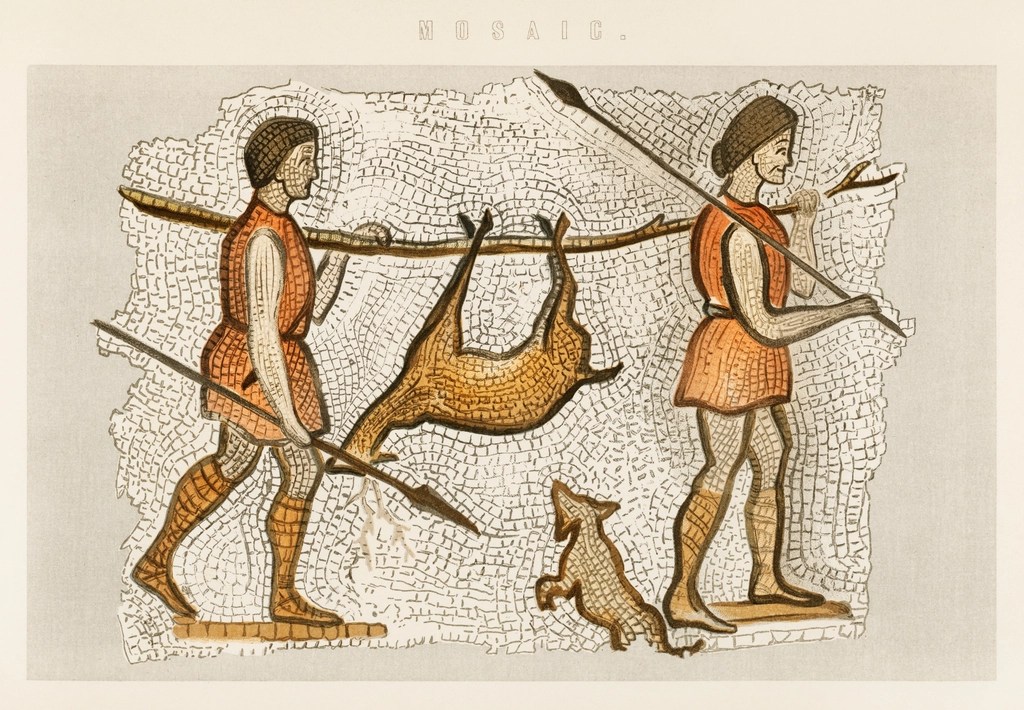
Before the advent of agriculture and the rise of settled civilizations, our human ancestors roamed the Earth as nomadic hunter-gatherer societies. These ancient communities provide us with valuable insights into our past and offer a unique perspective on human existence.
The Hunter-Gatherer Way of Life:
Hunter-gatherer societies were characterized by their reliance on hunting and foraging for sustenance. These communities were small and mobile, typically consisting of a few dozen individuals. They moved seasonally, following the availability of food sources such as game, edible plants, and water.
Egalitarian Social Structure:
One striking aspect of nomadic hunter-gatherer societies was their relatively egalitarian social structure. While roles within the community varied, there was no significant wealth disparity, and decisions were often made collectively. This equality was in part due to the essential nature of cooperation within these groups.
Resourcefulness and Adaptability:
Hunter-gatherers were skilled and adaptable. They had an intricate understanding of their environments and could identify and utilize a wide range of natural resources. Their knowledge of plants, animals, and ecosystems was vital for their survival.
Relationship with Nature:
Nomadic hunter-gatherers had a deep connection with the natural world. They lived in harmony with their surroundings and had a profound respect for the ecosystems they depended on. Their sustainable practices allowed them to thrive for thousands of years without depleting resources.
Shifting Seasons and Mobility:
The mobility of these societies was a fundamental aspect of their survival. They moved to areas with abundant resources as seasons changed, ensuring a continuous food supply. Mobility also minimized the environmental impact of their presence.
Cultural Diversity:
Hunter-gatherer societies were culturally diverse, each with its unique traditions, languages, and belief systems. This diversity highlights the adaptability of humans and their ability to thrive in various environments.
Modern Relevance:
While the majority of the world’s population now lives in settled communities, understanding nomadic hunter-gatherer societies offers valuable insights. It underscores the importance of cooperation, sustainability, and adaptability. These qualities remain relevant as we face global challenges, from environmental conservation to social cooperation.
Conclusion:
Nomadic hunter-gatherer societies provide a fascinating window into our ancient past. They thrived for thousands of years by relying on communal living, adaptability, and an intimate connection with the natural world. Studying these societies allows us to appreciate the diverse ways in which human communities have flourished throughout history and find inspiration for addressing contemporary challenges.
 Bachelor of Nothing
Leave a comment