
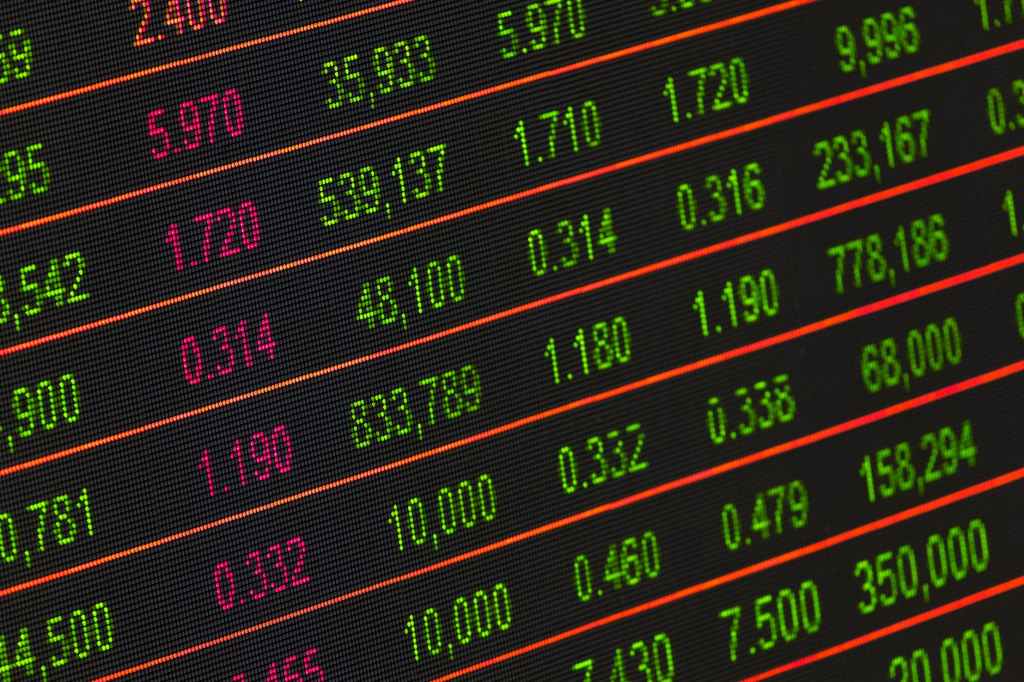
In the world of finance, where markets ebb and flow with the tides of economic trends, there exists an anomaly that raises eyebrows and stirs speculation: the performance of members of Congress in the stock market. While the average investor may struggle to beat the market, some lawmakers seem to possess an uncanny ability to outshine even the savviest of investors. But is their success truly the result of financial acumen, or does it hint at something more dubious lurking beneath the surface?
It’s no secret that members of Congress have access to a wealth of information that can significantly impact the financial markets. From pending legislation to government contracts, their insider knowledge could theoretically provide them with a significant advantage over the average investor. However, the question remains: to what extent do they leverage this privileged information for personal gain?
Real-world examples paint a troubling picture. Take, for instance, the case of Senator Richard Burr of North Carolina, who faced scrutiny in 2020 for selling a significant portion of his stock portfolio shortly after receiving classified briefings about the potential impact of the COVID-19 pandemic. Burr’s timely trades, made before the full extent of the crisis became public knowledge, led to accusations of insider trading. Similarly, former Representative Chris Collins of New York was convicted of insider trading in 2019 for tipping off his son about a failed drug trial, using his privileged access to confidential information for personal gain.
Moreover, the case of Senator Kelly Loeffler of Georgia further underscores the issue. Loeffler faced scrutiny in 2020 for making a series of stock trades shortly after attending a private briefing on the potential economic impact of the COVID-19 pandemic. Despite denying any wrongdoing and claiming that her trades were made by a third-party financial advisor, the incident raised concerns about conflicts of interest and insider trading among members of Congress.
These examples highlight the potential for abuse and unethical behavior among lawmakers when it comes to stock trading. While not all instances of congressional stock trading raise red flags, the prevalence of such incidents underscores the need for greater transparency, accountability, and regulatory oversight to ensure the integrity of our democratic institutions and financial markets.
Numerous studies and investigations have shed light on this issue, revealing troubling patterns that suggest more than mere coincidence at play. One such study conducted by researchers at Harvard University found that, on average, members of Congress tend to outperform the market by significant margins. This phenomenon persists across party lines and encompasses both senators and representatives, raising concerns about the ethical implications of their investment activities.
But how do they manage to consistently beat the market? Some argue that it’s simply a matter of being in the right place at the right time, while others point to the influence of lobbyists and special interest groups who may provide lawmakers with valuable insights and opportunities. Additionally, the lack of transparency surrounding lawmakers’ financial dealings only serves to fuel suspicions of impropriety.
In recent years, efforts to address this issue have gained momentum, with calls for greater accountability and oversight of congressional stock trading. Proposed reforms include stricter disclosure requirements, mandatory blind trusts, and even outright bans on certain types of trading activities. While these measures aim to restore public trust and ensure a level playing field, they face resistance from those who argue that they would unduly burden lawmakers and impede their ability to effectively represent their constituents.
Ultimately, the debate over the performance of Congress in the stock market is emblematic of larger concerns surrounding the intersection of politics and finance. As elected representatives, members of Congress are entrusted with the responsibility of serving the public interest above all else. When their financial activities raise questions about conflicts of interest and ethical integrity, it undermines the very foundation of democracy and erodes the trust of the people they are elected to serve.
In conclusion, while the outperformance of Congress in the stock market may be shrouded in suspicion, it serves as a sobering reminder of the need for greater transparency, accountability, and ethical conduct in our nation’s capital. Only through meaningful reform can we hope to restore faith in our democratic institutions and ensure that the interests of the many are not sacrificed for the gains of the few.
 Bachelor of Nothing
Leave a comment