
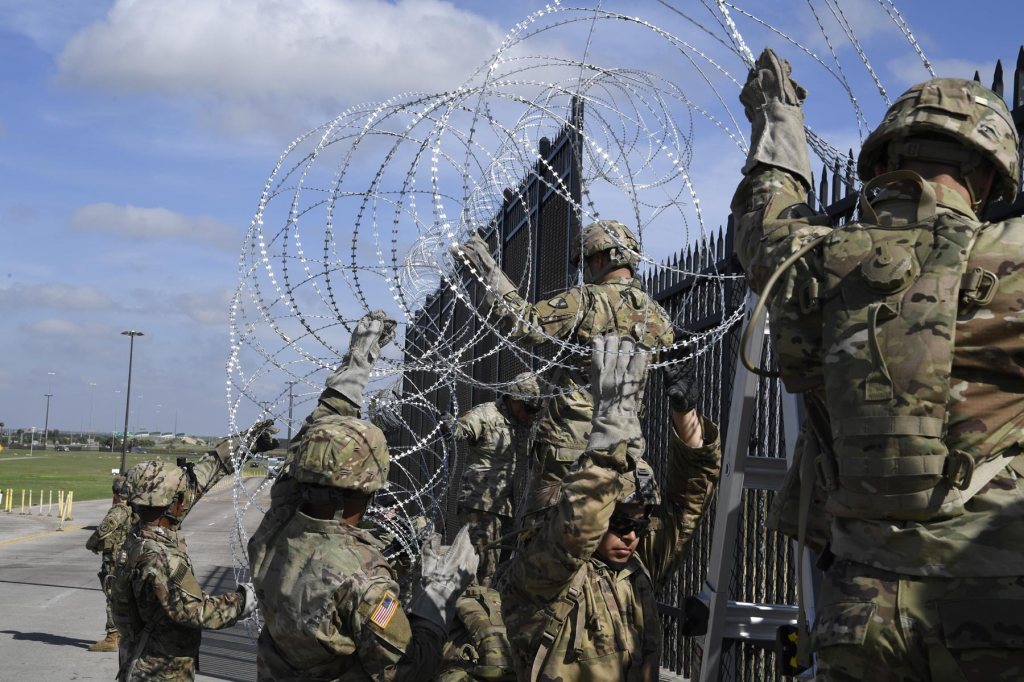
The United States-Mexico border, stretching nearly 2,000 miles, has emerged as a focal point for discussions on immigration, national security, and the complexities of border control. This blog aims to provide an in-depth exploration of the multifaceted issues surrounding the US-Mexico border, examining its historical context, current challenges, and the implications for national security in the 21st century.
I. Historical Context:

A. Early Border Dynamics:
- Shaping of the Border (Mid-19th Century): The Treaty of Guadalupe Hidalgo in 1848 marked a significant moment in the establishment of the US-Mexico border. The ceding of territory from Mexico to the United States defined the boundary, setting the stage for the complexities that would emerge over the years.
- Economic and Cultural Interactions: Over the decades, the border region witnessed a rich tapestry of economic and cultural exchanges. From the development of cross-border trade to the blending of Mexican and American cultures, the border became a dynamic space shaped by historical events and the movement of people.
B. Changing Landscape of Border Security:
- Evolution of Control Strategies: Early efforts to manage the border primarily focused on customs enforcement. However, the rise of Prohibition in the 1920s and subsequent organized crime activities emphasized the need for a more comprehensive approach to border control.
- Impact of Drug Trafficking: As drug trafficking organizations gained prominence in the latter half of the 20th century, border security took on new dimensions. The US-Mexico border became a battleground in the war against drugs, with implications for both national security and international relations.
II. Current Challenges:
A. Immigration Dynamics:
- Overview of Immigration Patterns: The US-Mexico border has been a focal point for migration, with people seeking economic opportunities, asylum, or refuge. Understanding the motivations behind migration is crucial for formulating effective and humane border policies.
- Push and Pull Factors: Economic disparities, violence, and political instability in Central America contribute to the push factors propelling individuals northward. Meanwhile, the allure of economic opportunities and the desire for a better life act as pull factors drawing migrants to the United States.
B. Cartel Influence and Drug Trafficking:

- Nexus between Cartels and Border Security: Drug cartels wield significant influence along the border, engaging in illegal activities that pose security challenges. Addressing these issues requires a multifaceted approach involving both law enforcement and international cooperation.
- Impact on National Security: The connection between drug trafficking organizations and national security underscores the need for effective strategies to combat transnational crime. A collaborative effort between the US and Mexican authorities is essential in addressing these challenges.
C. Humanitarian Concerns:
- Human Side of the Border Issues: Amidst discussions of security, it is imperative to recognize the human element of border challenges. Asylum seekers and refugees often face perilous journeys, and the border patrol is tasked with managing humanitarian crises in addition to enforcing security measures.
- Challenges for Border Patrol: The border patrol faces challenges in balancing security imperatives with humanitarian considerations. Developing protocols and resources to handle vulnerable populations is crucial for creating a more compassionate and effective border management system.
D. Technological and Infrastructural Challenges:

- Role of Technology: Advances in technology, including surveillance drones, sensors, and artificial intelligence, have been employed to enhance border security. However, implementing and integrating these technologies effectively requires ongoing investment and strategic planning.
- Modernizing Border Infrastructure: The physical infrastructure of the border, including barriers and checkpoints, needs continuous improvement to address the changing nature of border threats. Upgrading infrastructure is essential for maintaining effective control while facilitating legal trade and travel.
III. National Security Implications:
A. Border Security and Counterterrorism:
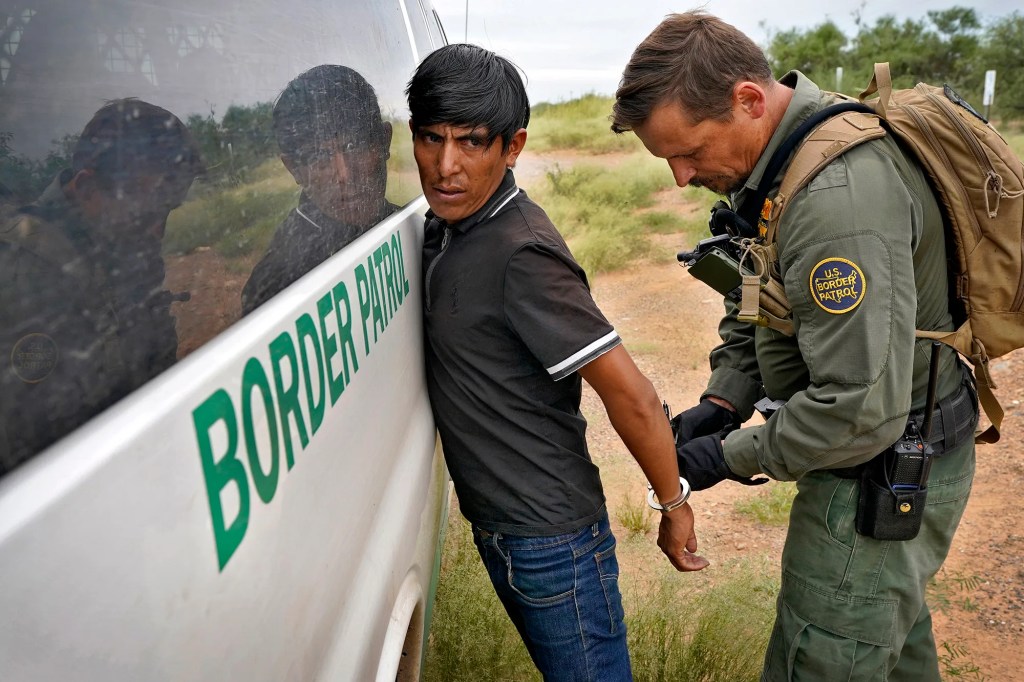
- Security Threats and Terrorism: While the primary focus has been on immigration and drug trafficking, there are concerns about potential security threats, including terrorism. Vigilance and intelligence sharing between the US and Mexican authorities are crucial to identify and prevent such threats.
- Transnational Collaboration: Addressing security threats requires a collaborative effort that transcends borders. Strengthening cooperation with neighboring countries and international organizations is vital to counteracting transnational criminal activities effectively.
B. Balancing Security and Trade:
- Impact on Cross-Border Trade: Striking a balance between stringent security measures and facilitating cross-border trade is a delicate challenge. The implementation of efficient and streamlined procedures at border crossings is essential to support economic activities while maintaining security.
- Economic Implications: Excessive security measures can potentially hinder economic growth and disrupt supply chains. Policymakers must carefully weigh the economic implications of security measures to avoid unintended consequences on trade and commerce.
C. Policy Approaches:
- Effectiveness of Past Policies: A retrospective analysis of past policies, such as Operation Gatekeeper in the 1990s and the Secure Fence Act of 2006, provides insights into their effectiveness and unintended consequences. Learning from these experiences is crucial for shaping future policies.
- Adaptive Policy Approaches: Given the dynamic nature of border challenges, policies must be adaptive and responsive. Flexibility in approach allows for addressing emerging issues, incorporating technological advancements, and accommodating shifts in migration patterns.
IV. Technology and Innovation in Border Security:
A. Surveillance Technologies:

- Advanced Surveillance Tools: The border patrol employs a range of advanced technologies, including drones, cameras, and ground sensors, to enhance surveillance capabilities. These tools aid in monitoring and responding to potential security threats.
- Ethical Implications and Privacy Concerns: The use of technology in border control raises ethical questions and privacy concerns. Striking a balance between security needs and respecting individual rights is essential in the deployment of surveillance technologies.
B. Innovation in Border Infrastructure:
- Overcoming Traditional Challenges: Innovative solutions, such as smart barriers and automated border control systems, have the potential to overcome traditional challenges. These innovations aim to improve efficiency while minimizing the environmental impact of border infrastructure.
- Success Stories: Examining success stories where innovative solutions have been effectively implemented provides valuable insights for policymakers. Case studies of technological advancements contributing to improved border security offer models for replication.
V. Public Perception and Political Discourse:
A. Media Influence:
- Shaping Public Perceptions: Media plays a crucial role in shaping public perceptions of border security. Analyzing media coverage and narratives helps understand how the public views border issues and influences the political discourse surrounding them.
- Impact of Sensationalism: Sensationalism in media reporting can distort the realities of border challenges. Separating fact from fiction is essential for informed public discourse and the development of effective policies.
B. Political Rhetoric:

- Influence on Policymaking: Political discourse surrounding the US-Mexico border has a direct impact on policymaking. Examining the rhetoric used by politicians and its alignment with factual information is crucial for understanding the motivations behind policy decisions.
- Polarized Views: The polarized nature of discussions on border security underscores the challenges in finding bipartisan solutions. Bridging ideological gaps and fostering open dialogue are essential for crafting effective and inclusive policies.
VI. Toward a Comprehensive Approach:
A. International Cooperation:
- Collaboration with Mexico: Strengthening collaboration with Mexico is paramount for addressing common challenges. Shared intelligence, joint law enforcement efforts, and diplomatic engagement contribute to a more secure and stable border region.
- Regional Engagement: Extending collaboration beyond bilateral relations to include other Central American countries addresses the root causes of migration. A regional approach considers the interconnectedness of migration patterns and allows for a more comprehensive response.
B. Human Rights and Dignity:
- Prioritizing Human Rights: Incorporating human rights considerations into border policies is essential for upholding the United States’ commitment to dignity and justice. Striking a balance between security imperatives and respecting the rights of individuals is crucial for a compassionate and effective approach.
- Investing in Refugee Assistance: Addressing the root causes of migration and investing in refugee assistance programs contribute to a more comprehensive approach. Combining security measures with initiatives that promote stability and prosperity in source countries fosters long-term solutions.
Conclusion:
The US-Mexico border, with its rich historical context and complex contemporary challenges, demands a nuanced and comprehensive approach. As the United States navigates the intricate landscape of immigration, national security, and border control in the 21st century, policymakers must prioritize collaborative efforts, technological innovation, and respect for human rights. Balancing security imperatives with economic considerations and fostering a bipartisan approach is essential for crafting effective and sustainable solutions that ensure the safety of citizens and uphold the dignity of those seeking refuge within its borders. The future of the US-Mexico border hinges on the ability to address these challenges with resilience, adaptability, and a commitment to the principles that define the nation.
 Bachelor of Nothing
Leave a comment