
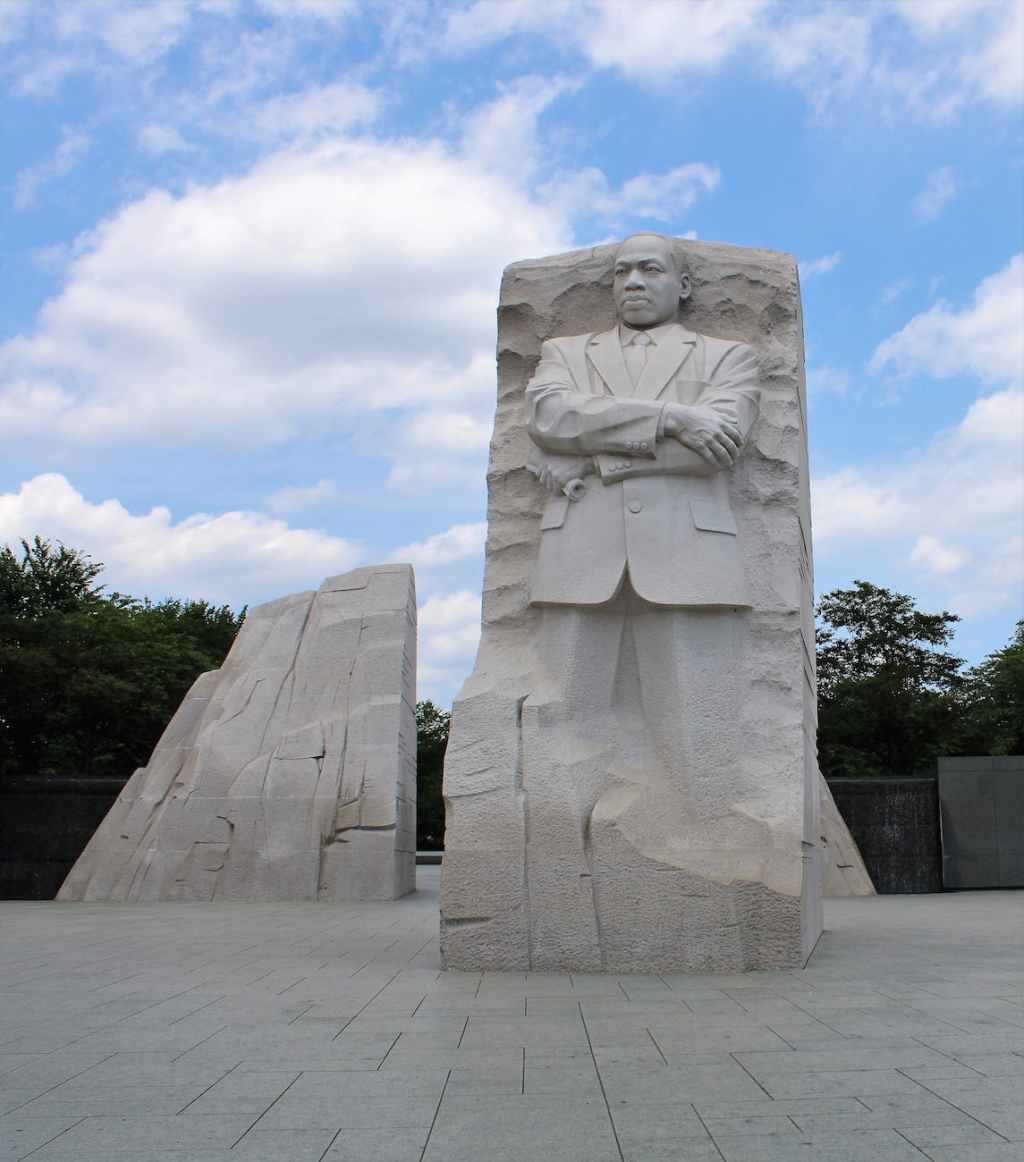
On Martin Luther King Jr. Day, we not only commemorate the indelible legacy of a civil rights icon but also reflect on the progressive values that drive the ongoing struggle for equality and justice. This day serves as a poignant reminder of Dr. King’s tireless efforts to dismantle racial segregation and discrimination, emphasizing the need for continuous progress in our collective journey toward a more inclusive society.
Martin Luther King Jr., a Baptist minister and a pivotal figure in the American civil rights movement, dedicated his life to advocating for racial justice and equality. His activism during the 1950s and 1960s was instrumental in the passing of transformative legislation like the Civil Rights Act of 1964 and the Voting Rights Act of 1965. MLK Day stands as a testament to his vision of a society free from systemic racism and discrimination.
One of the key progressive aspects of MLK Day lies in its call to action. It is not merely a day of remembrance but a day of service and activism. Communities across the nation come together to engage in acts of service, recognizing the power of collective action in fostering positive change. This emphasis on service aligns with the progressive notion that societal progress is achieved through the active involvement of individuals in their communities.
Volunteering on MLK Day takes various forms, from participating in local community projects to contributing to organizations working towards social justice. This commitment to service reflects the progressive belief that individuals have a responsibility to actively contribute to the betterment of society. It emphasizes the idea that progress is a shared endeavor, requiring the engagement of communities in uplifting one another.
Education is another cornerstone of MLK Day, providing an opportunity for progressive learning and understanding. Workshops, lectures, and discussions held on this day aim to deepen public knowledge about the civil rights movement and Dr. King’s contributions. The progressive approach to education involves acknowledging historical injustices, understanding systemic issues, and fostering critical thinking to inspire meaningful change.
MLK Day also prompts individuals to reflect on their values and actions, encouraging a progressive self-examination. This introspection is essential for personal growth and societal progress. Progressivism emphasizes the importance of continual self-reflection and a commitment to evolving perspectives, values, and behaviors to align with the principles of justice and equality.
While MLK Day celebrates the progress made in the fight for civil rights, it remains a day of awareness that challenges persist. The progressive viewpoint recognizes that the struggle against injustice is ongoing and that addressing issues related to racial inequality, discrimination, and social injustice requires sustained effort. MLK Day, therefore, serves as a call to progressive activism, urging individuals to be catalysts for positive change in their communities.
In recent years, MLK Day has evolved into a platform for progressive advocacy. Movements focusing on racial justice and equality utilize this day to amplify their messages and mobilize communities towards tangible change. The progressive agenda embraces discussions on systemic racism, police brutality, and other pressing issues, viewing MLK Day as an opportunity to channel collective energy towards addressing these deeply rooted challenges.
The significance of MLK Day extends beyond a single day of commemoration; it underscores the importance of progressive values in shaping a just and equitable society. It challenges us to examine the structures that perpetuate inequality and to actively work towards dismantling them. The progressive perspective on MLK Day involves recognizing the interconnectedness of social issues and advocating for comprehensive solutions that address the root causes of systemic injustices.
In conclusion, Martin Luther King Jr. Day embodies progressive ideals by honoring a visionary leader, emphasizing the need for ongoing progress in the fight for civil rights, and calling individuals to action. It is a day that celebrates service, education, and activism, aligning with the progressive belief that societal advancement is achieved through collective efforts. MLK Day challenges us to be agents of positive change, fostering a more inclusive and just society in line with the timeless principles espoused by Dr. King.
 Bachelor of Nothing
Leave a comment