
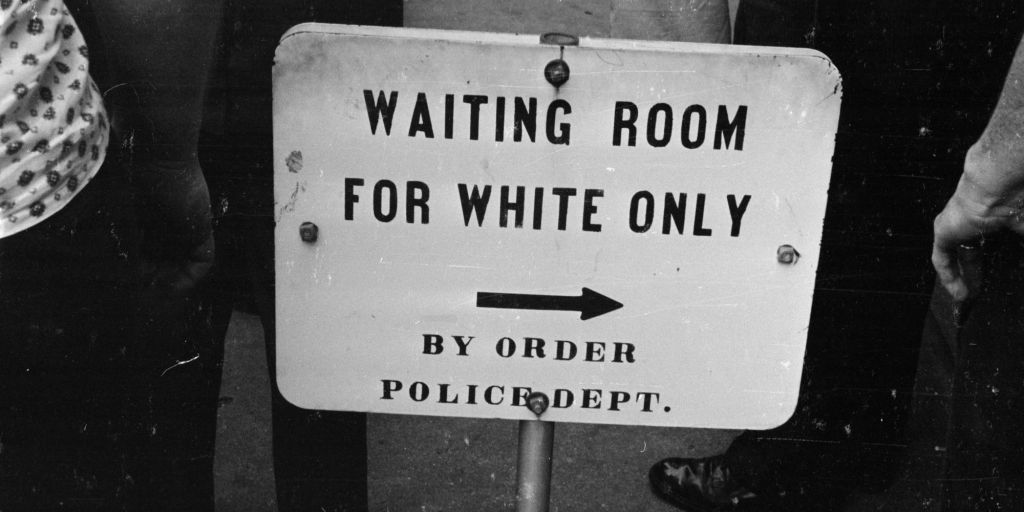
1. Economic Disparities:
Segregation persists through economic disparities, with marginalized communities often lacking access to quality education, job opportunities, and essential services, perpetuating a cycle of inequality.
2. Residential Segregation:
Despite legal advancements, residential segregation remains prevalent. Housing policies, discriminatory practices, and socioeconomic factors contribute to the clustering of specific racial or ethnic groups in distinct neighborhoods.
3. School District Disparities:
Educational segregation is evident in unequal school district funding, resource allocation, and access to quality education. This perpetuates a divide in educational outcomes, limiting opportunities for students in marginalized communities.
4. Criminal Justice System:
The criminal justice system plays a role in segregation through racial profiling, discriminatory sentencing, and systemic biases. This results in disproportionate incarceration rates for certain communities, contributing to social segregation.
5. Digital Divide:
In the digital age, a digital divide persists, with marginalized communities facing limited access to technology and the internet. This creates disparities in educational opportunities, job prospects, and access to information.
6. Healthcare Disparities:
Segregation is reflected in healthcare access, where certain communities face barriers to quality medical services, leading to disparities in health outcomes based on race, ethnicity, or socioeconomic status.
7. Gentrification:
Gentrification often displaces long-standing communities, leading to the forced relocation of residents due to rising property values and changes in neighborhood demographics, contributing to social and economic segregation.
8. Implicit Bias:
Segregation is perpetuated by implicit biases embedded in societal attitudes and structures. These biases influence decision-making processes, from hiring practices to public policy, reinforcing existing inequalities and contributing to ongoing segregation.
In conclusion, the modern manifestations of segregation are deeply entrenched in various aspects of society, ranging from economic disparities and residential segregation to educational inequalities, biased criminal justice practices, and digital divides. The persistence of these issues highlights the systemic nature of segregation, perpetuating cycles of inequality across different facets of life. Addressing these challenges requires a comprehensive approach that targets both explicit and implicit biases while actively dismantling discriminatory structures, fostering inclusivity, and promoting equitable opportunities for all members of society. Only through collective awareness, commitment, and transformative actions can we strive towards a more integrated and just future.
 Bachelor of Nothing
Leave a comment