
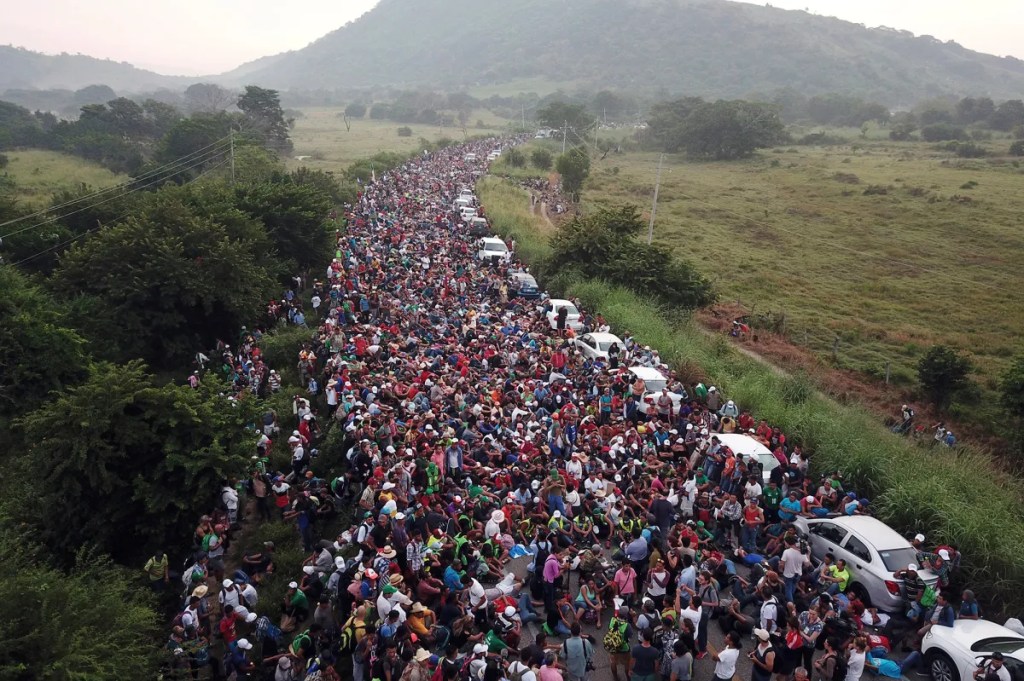
In the wake of recent border events, the phenomenon of migrant caravans heading towards America has cast a spotlight on profound implications, urging a reassessment of national security, immigration policies, and the delicate balance between compassion and safeguarding America’s interests. Amidst these challenges, concerns emerge about the neglect of Americans and their needs.
Border Challenges and Strained Resources:
Reports from the border underscore the escalating challenges that directly affect America’s citizens. The influx of individuals seeking entry has strained border facilities and resources, raising concerns about the impact on local communities. The strain on resources, including healthcare and social services, can contribute to a sense of neglect among American citizens who may feel the burden of these challenges.
Impact on Local Communities and Services:
The humanitarian crisis within these caravans, coupled with recent border events, has implications at the local level. Communities near the border may experience heightened pressure on public services, affecting the well-being of residents. The neglect of Americans in these areas becomes a crucial consideration in crafting policies that address the needs of both newcomers and existing communities.
Economic and Social Ramifications for Citizens:
The influx of individuals prompted by recent border events can have economic and social ramifications for American citizens. Job markets, housing availability, and educational resources may be affected, contributing to a sense of abandonment among those grappling with the indirect consequences of migration. Policymakers must consider the holistic impact on citizens and work to mitigate potential disparities.
Balancing Humanitarian Concerns with Domestic Well-being:
Addressing the humanitarian aspects of migration is essential, but it cannot come at the expense of the well-being of American citizens. Recent border events necessitate a delicate balance, requiring policymakers to prioritize both compassionate responses to those seeking refuge and measures that safeguard the interests and needs of American communities.
Communication and Inclusion in Decision-Making:
The neglect of Americans in the midst of these challenges underscores the importance of transparent communication and inclusion in decision-making. Engaging with citizens, understanding their concerns, and involving them in the development of policies can contribute to a more inclusive approach that mitigates feelings of neglect.
In conclusion, recent border events and the phenomenon of migrant caravans present multifaceted challenges that require careful consideration of Americans’ well-being. Balancing the needs of newcomers with those of existing communities is crucial to repair a sense of neglect among citizens. Navigating these complexities demands a nuanced strategy that not only addresses the humanitarian crisis but also ensures that the concerns of American citizens are prioritized and actively addressed.
 Bachelor of Nothing
Leave a comment