

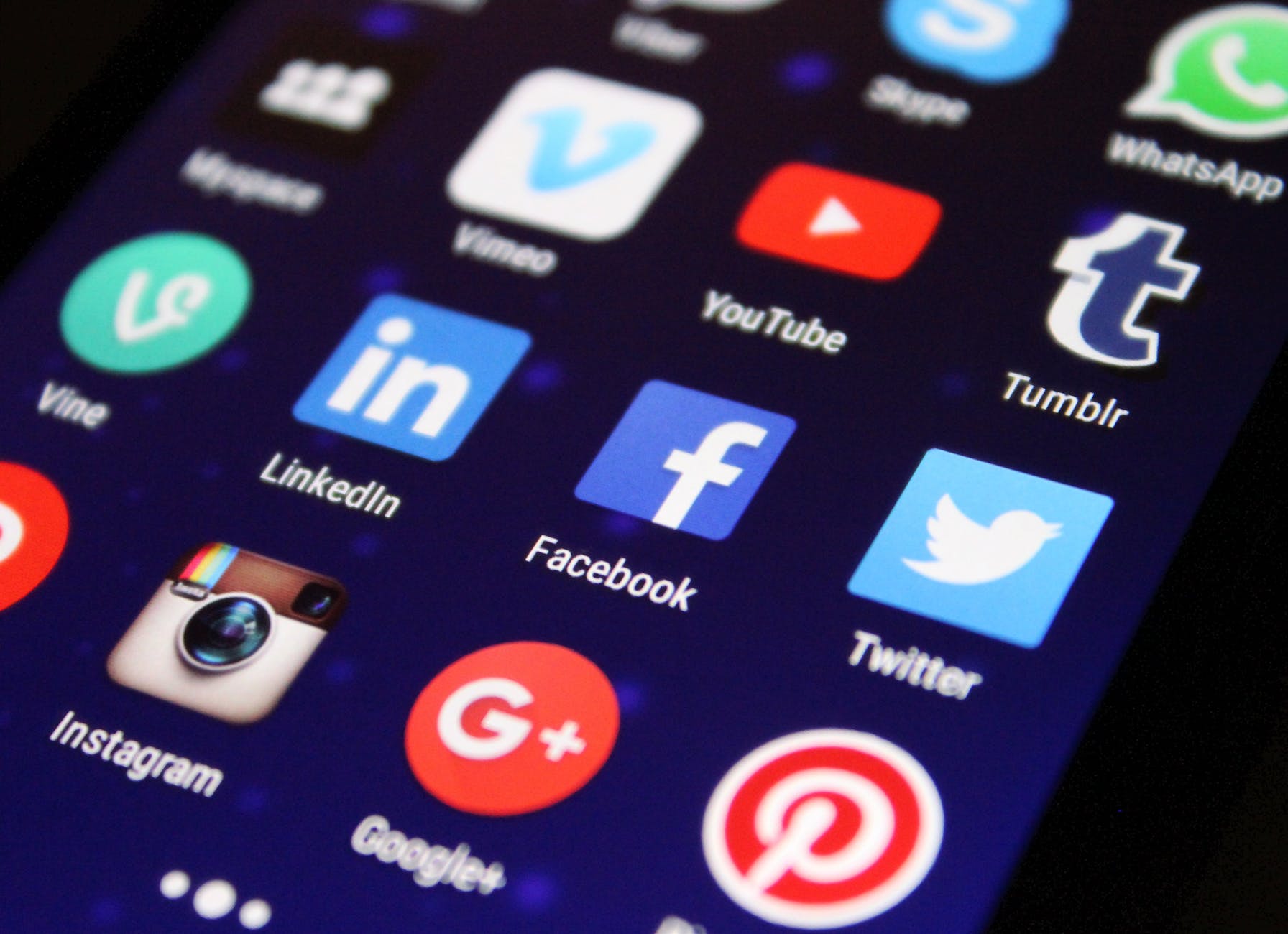
In the age of smartphones, lightning speed internet and constant connectivity, social media has become an integral part of our daily lives. Not many places you go everyday leave you without access to technology. While these platforms offer numerous benefits such as connecting with distant friends, meeting new people or following a Presidental Debate, they also bring about many significant concerns. One of which is the social media addiction.
The Allure of Social Media
Social media platforms are designed to capture our attention. The businesses perform best when there is a lot of activity across their platforms. Why do you think you often see conflicting posts or controversial topics? With a constant stream of updates, notifications, and the ever-enticing scroll feature, it’s easy to get hooked. These platforms offer a window into the lives of others, allowing us to stay connected, informed, and (debatably) entertained.
Recognizing the Signs of Addiction
Social media addiction isn’t always easy to notice, as it can be subtle. Maybe one doesn’t realize the severity because it’s not causing them immediate harm. It is easier for another person to notice it in you. Some common signs include spending excessive time (or money) on social media, feeling anxious when not using it, neglecting real-life responsibilities, and prioritizing online interactions over face-to-face relationships. Relying on digital communication quickly deteriorates your own basic communication skills. Not actively listening to another person talk to you, or engaging in meaningful conversation rather than thoughtfully replying to a posts comment affects more than you would think. We are social beings, and digital relationships do not seem to cut it.

The Impact on Mental Health
Social media addiction has significant consequences on your mental health. It is a fabricated experience. Every post that makes you feel envious was carefully thought out and does not provide the whole picture. Keep in mind, nobody wants to share the bad things that happen to them. We can safely use social media while maintaining our mental health, but not if we support these problem causing aspects. Constant comparison to others, cyberbullying, and the fear of missing out (FOMO) can lead to increased stress, anxiety, and even depression. It can also disrupt sleep patterns and hinder productivity (doom-scrolling at 3 am).
Overcoming Social Media Addiction
If you suspect that you or someone you know is struggling with social media addiction, there are steps that can be taken to regain control and it is important to do so:
1. Awareness: The first step is recognizing the problem. Understand your social media usage patterns and identify when it becomes excessive. Keep an eye on those around you and see how consumed we can become.
2. Set Boundaries: Establish limits on your social media usage. Designate specific times to check your accounts and stick to them. Try not to immediately check your phone every time it sends a notification.
3. Turn Off Notifications: Disable non-essential notifications to reduce the constant urge to check your accounts. This eliminates the reaction you have when your phone vibrates.
4. Quality Over Quantity: Focus on the quality of your online interactions rather than the quantity. Prioritize meaningful connections. You can become extremely successful through social media and technology. Maybe set a goal to achieve something through social media usage.
5. Digital Detox: Consider taking periodic breaks from social media to reset your relationship with it. This works well by going outside and getting some exposure to nature. Go for a walk but leave your phone at home.
6. Seek Support: Don’t hesitate to seek support from friends, family, or a mental health professional if you’re finding it challenging to overcome social media addiction. It may be easy to deny it, but the long-term effects of social media addiction could be detrimental to your health.

Conclusion
Social media addiction is a growing concern in our digital age. People are being introduced younger, while the outreach and availability is increasing. While these platforms do offer valuable connections and information, it’s essential to maintain a healthy balance in our online and offline lives. By recognizing the signs of addiction and taking proactive steps to manage our social media use, we can harness the benefits of these platforms without falling into the endless scroll of addiction.
 Bachelor of Nothing
Leave a comment