
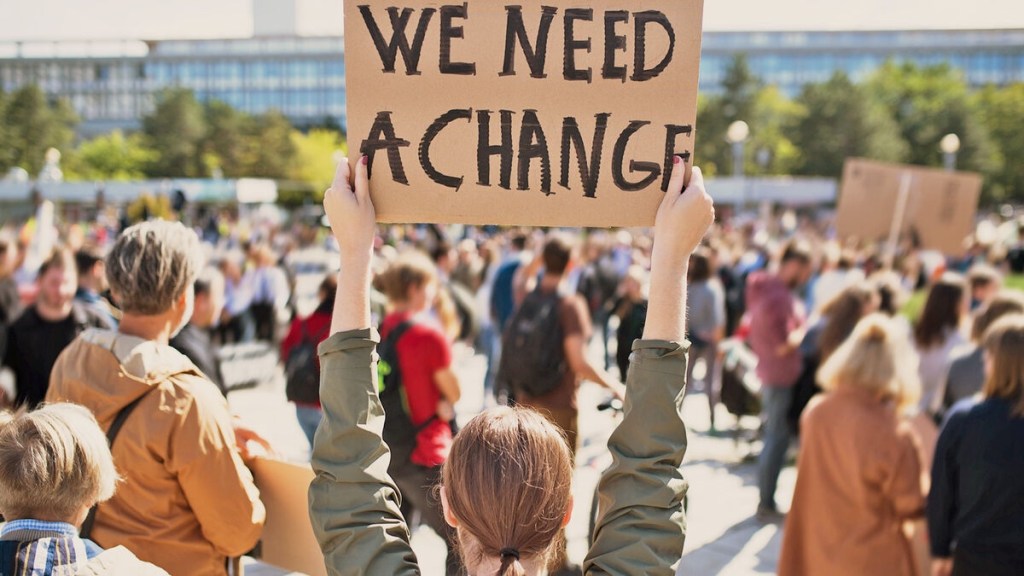
In our interconnected world, social problems have become widespread and cover all aspects of society. From poverty and inequality to discrimination and climate change (and many more), these challenges demand our attention and concerted efforts for resolution.
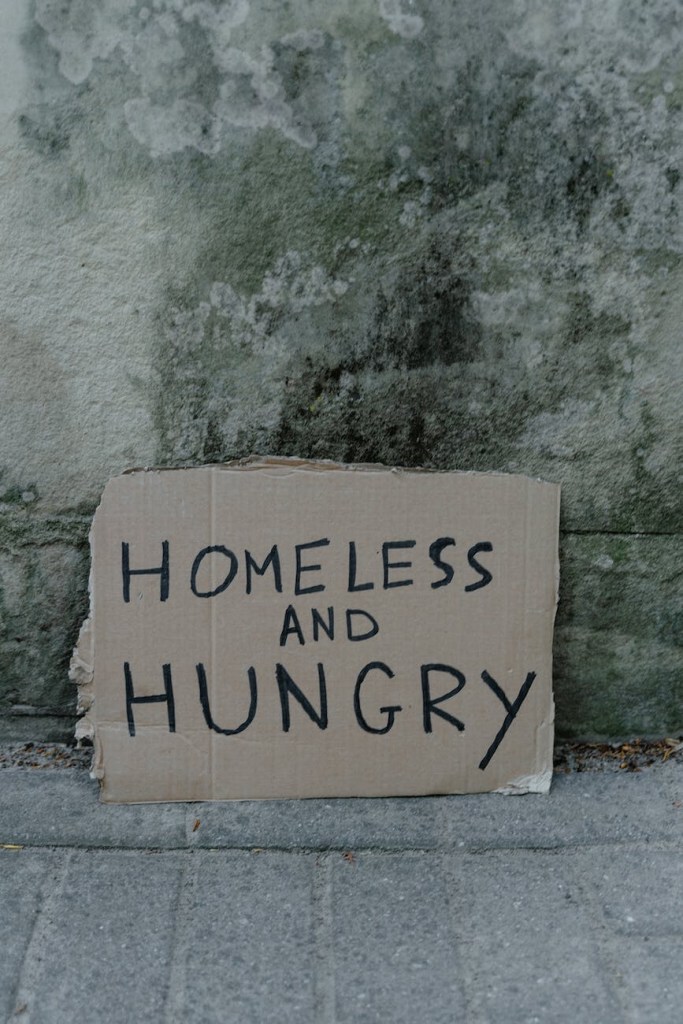
1. Poverty’s Persistent Grip:
One of the most pervasive issues facing societies globally is poverty. Millions of people struggle daily to meet basic needs, highlighting the urgent need for comprehensive economic reforms and social safety nets. Bridging the wealth gap requires innovative solutions and a commitment to providing equal opportunities for all.
2. Inequality’s Deep Roots:
Inequality, which can be based on a wide variety of factors such as gender, race, disability or socioeconomic status, casts a shadow on the promise of a fair society. There is a clear distinction between the haves and the have nots. Acknowledging and dismantling systemic barriers is crucial to fostering inclusivity and ensuring that every individual has the chance to thrive.

3. Discrimination in the Spotlight:
Discrimination, in its various forms, remains a formidable adversary. Whether it’s racism, sexism, or other prejudicial attitudes, fostering understanding and empathy can pave the way for a more tolerant and accepting society. Education and open dialogue play pivotal roles in dismantling discriminatory practices.

4. Environmental Concerns:
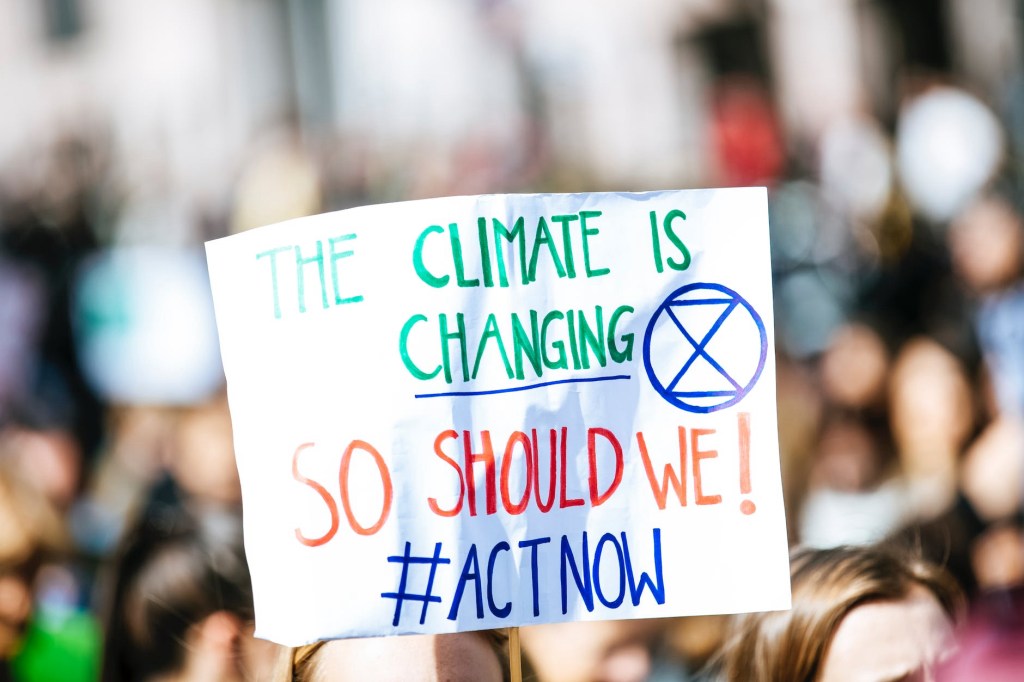
As the planet faces unprecedented environmental challenges, the need for sustainable practices has never been more apparent for our survival. Earth is no stranger to climate change, and has seen far worse conditions. These concerns are strictly for our benefit. However, we must make changes to the way we live. Climate change, pollution, and resource depletion require collective action, emphasizing the importance of environmentally conscious choices and policies.
5. Mental Health Struggles:
Within the realm of social problems, mental health has gained prominence. There appears to be a rapid decline in mental health all across the globe. Mental health is affected by another event, suggesting that social problems compound and create other problems. Destigmatizing mental health issues, increasing accessibility to mental health services, and promoting well-being are essential steps toward creating a supportive environment for individuals facing these challenges.

6. Educational Disparities:
Access to quality education remains a concern, with disparities prevalent across regions and socioeconomic classes. Our education system in America is flawed. Certain people receive a higher quality education than others. The content we teach our youth is not practical. Correction of these issues requires investment in educational infrastructure, teacher training, and policies that prioritize equal opportunities for all students.

Conclusion:
Addressing social problems requires a collaborative effort from individuals, communities, and governments. We haven’t began to scratch the surface through this article, nor have we mentioned anywhere near all of the problems that exist. But by fostering understanding, championing equality, and embracing sustainable practices, we can work towards building a society that values the well-being of all its members. In facing these challenges head-on, we can contribute to a brighter, more equitable future for generations to come.
 Bachelor of Nothing
Leave a comment